

Carp can be a frustrating species to target. Finding them is the first mission, then waiting for them to feed, and finally hoping they’re not too intelligent to outsmart and “do” your rig. In this article, we take a closer look at how to stop getting ‘done’ by carp…

"Underwater filming has shown that without some rig tweaks, carp are very good at getting away with it."
A few beeps on the alarm followed by nothing — was it a liner, or did you just get turned over by a carp that’s smarter than you are? Without an underwater camera, many anglers are blissfully unaware that the rig they think is “golden” is actually being rejected, spat out and mocked by fish time and time again. Sometimes, of course, a hookbait simply goes into the carp’s mouth so many times that eventually it snags them. In that instance, we catch fish in spite of what we’re doing, not because of it.
But what if there were ways to limit a carp’s ability to blow out your rig? Below, we explore some of the best rig adjustments to stop getting ‘done’.

LENGTH IS KEY
You may have heard anglers talk about “giving them rope”. This usually refers to using a longer rig so fish can take in a bait more naturally. Longer hooklinks often work best for bigger fish or over wider spreads of bait — typically boilies — where carp move with purpose rather than simply vacuuming the bottom.

"Long rigs work best over wider spreads of bait like boilies, or for bigger carp"
The downside of a long rig is that it takes the fish longer to connect with your lead system — the part that usually drives the hook home. Zig rigs are a great example: they often produce poor hooked-to-landed ratios because the fish have so much freedom to shake out a lightly nicked hook.

"Zig rigs get plenty of action, but the hooked to landed ratio can be poor"
On tighter baited areas, created by Spombing or boat drops, shortening your rig can increase your chances of converting a pick-up. Carp feeding on these small spots move slowly, sucking and blowing to filter out anything unnatural. A shorter hooklink makes them hit the lead faster and drive the hook home. The trade-off is that a hooklink that’s too short may restrict natural bait movement.
Hooklink length is always a balancing act, influenced by both bottom type and fish behaviour. If bites aren’t coming, play around with length.

"Shorter hooklinks bring the lead into play much faster"
USE THE RIGHT HOOKS
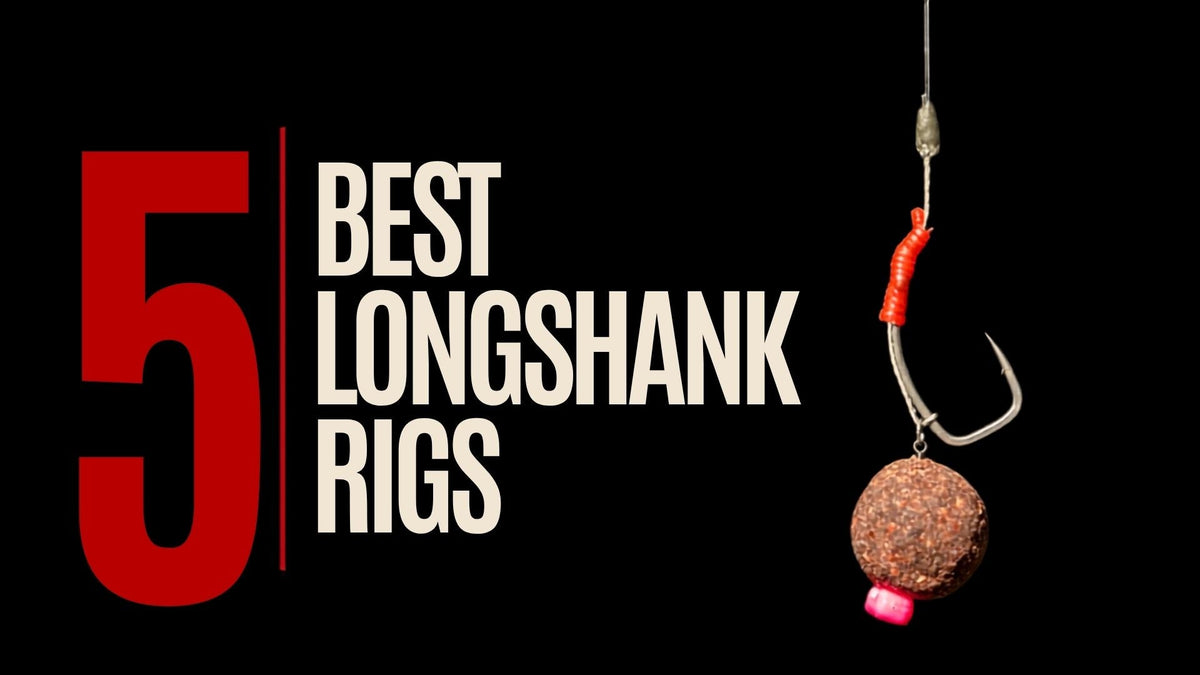
Hook choice has a huge impact on your catch rate. Debates rage around barbed vs barbless, straight vs beaked points, long shanks vs curves, and in-turned vs out-turned eyes. The key is understanding the benefits and limitations of each pattern — and using the right hook at the right time. For example, out-turned eye hooks like our Redesmere work best with stiff materials such as the Memory, creating a superior hooking angle.

"Hook pattern and hooklink material choice are closely linked"
Hook sharpness is perhaps the biggest factor in whether you get ‘done’ or not. Your hook must be sharp enough to prick and hold. That’s why fine-point hooks like our Lock and Colne-V Needle Points have become so popular. The only drawback is longevity — they won’t last as many fish as our tougher Surrender range.
 "Some hooks are naturally sharper than others"
This is where the Tweakers Touch Me Up has changed the game. There’s now no excuse to cast out a blunt hook thanks to this quick, efficient sharpening device.

"The Touch Me Up is a game changer for hook sharpening"
Hook size also matters. Many anglers are starting to buck the old trend of “fining down” and instead choose bigger hooks. More metal means more chance of a firm hold, which explains why sizes 6–2 in the Lock range can be hard to find.
(This doesn’t mean small hooks have no place — surface fishing, Zigs and delicate bottom-bait scenarios often require more finesse.)

LEAD SIZES, SYSTEMS AND SHAPES
Your lead isn’t just for getting the rig out — it plays a huge role in modern carp hooking mechanics. Generally, a heavier lead creates a stronger bolt effect, giving better hookholds. The downside is harder casting, plugging into soft bottoms and occasionally more difficulty during the fight.

"You need to put deep consideration into your lead size and shape"
Lead shape matters too. Swivel leads are great for presentation and lead-clip ejection, but carp can sometimes use the play between the swivel and lead to eject the hook.
Inline leads provide the most effective bolt effect because the carp hits the heaviest section first. But they can plug into silt, ruining presentation.
Helicopter systems are unbeatable for presenting over almost anything, but they also give carp more freedom, which can allow them to eject the rig more easily.
Everything has its place — the trick is knowing when to use which system.

WORKING THE ANGLES
Many anglers now add components to their hooks — not just for visual appeal, but to provide mechanical advantages by altering hook shape and movement.
Shrink tubing was the traditional method, but modern products such as our Dazzlers make this much easier. The Dazzler range can add curve, extend the shank or adjust the line-to-hook angle — all tiny tweaks that make a big difference in the carp’s mouth.

"The Dazzlers change the mechanics of your rig"
GIVE IT SOME EXTRA WEIGHT
Putty isn’t only for pinning down rigs or balancing pop-ups — it can improve hooking, too. Many anglers now place a large blob of putty an inch from the hook to help pull the point downward inside the carp’s mouth. Underwater, it also stabilises the bait, reducing unnatural wafting.

"Putting on more Putty than needed can be a big edge"
Weighting the hook itself has also resurfaced. The classic Shot-on-the-Hook Rig puts weight near the hook point so it drops quickly into the bottom lip. Keep an eye out — we’ve got an OMC product coming soon to refine this presentation.

CONSIDER YOUR LINE TENSION
Often overlooked, line tension has a massive impact on hookholds. Slack lines increase fish confidence, but carp can move a long way — and shake you off — before you even know they’re on. That’s why many anglers now fish bowstring-tight lines straight to heavy leads for maximum bolt effect.

"Too slack and you risk poor hooking, too tight and you might spook them"
The same applies to your clutch. Too loose and the carp can shake the hook before you even get to the rod. Too tight and you risk losing the lot. Controlled tension is critical, especially on barbless waters.
If rod security worries you, invest in solid bankware — our Heist range is built for this.
 "A secure rod is vital when fishing with tighter lines and clutches"
INCREASE YOUR RESPONSIVENESS
Your hooklink material dramatically affects how quickly a fish hits tension. Fluorocarbons like Kickback and Blend, as well as stiff mono like Memory, are extremely responsive and tough for carp to deal with. The downside is they can kick up over uneven ground and alarm fish.

"Stiff rigs keep everything away from the lead at maximum responsiveness"
Braids like Ammo and coated Blend offer superb natural movement but allow more bait travel — sometimes too much.

"Braids make your bait behave far more natural"
To increase responsiveness, ensure your hookbait is fully extended away from the lead on the cast. Products like Blend Anti-Tangle Sleeves help achieve this. What you don’t want is a heap of rig sitting on top of your lead — that’s easily sucked in and blown out without tension.

"Anti-tangle sleeves are an essential addition to most rigs"
GET THAT POINT IN POSITION
Before casting, consider where the hook point will face when the rig enters the carp’s mouth. It must aim downwards toward the bottom lip. Over-curving pop-up sections — especially on Chods and Hinges — can dramatically reduce the chance of pricking the fish in the first place.

ADD SOME FINAL MAGIC
No discussion about hooking mechanics would be complete without the Magic Twig and Magic Wand. Now that we’ve covered everything carp do to defeat your rigs, why risk not boosting your lead system further?

"The Magic Wand has changed the game - say goodbye to getting 'done'"
Backed by extensive underwater testing, both devices increase hooking efficiency in two big ways:
-
Instant Prick Effect — far quicker than any current bolt rig.
-
Suspension Pressure — once triggered, they maintain constant pressure on the hookpoint, preventing shake-outs.

"The Magic Wand boasts both hooking and playing benefits"
They operate on the same principles as classic systems such as elasticated feeders, Steve Renyard’s Hermit Rig and the Bungee Rig — but with modern refinement.
Fished loaded or unloaded, the Twig and Wand make getting ‘done’ almost a thing of the past. Not 100% — nothing is — but close.
Journalist Chris Haydon joined the OMC family in spring 2024 after six years at the UK’s No.1 fishing publication, Angling Times. He is a keen coarse and carp all-rounder, fishing throughout the South West, including the famous Cotswold Water Park.
Share:
‘This Baiting Tactic Caught Me Two Huge Carp In The Cold' | Ian Russell
Our Best Fishing Gifts For Anglers - All Less Than £100!